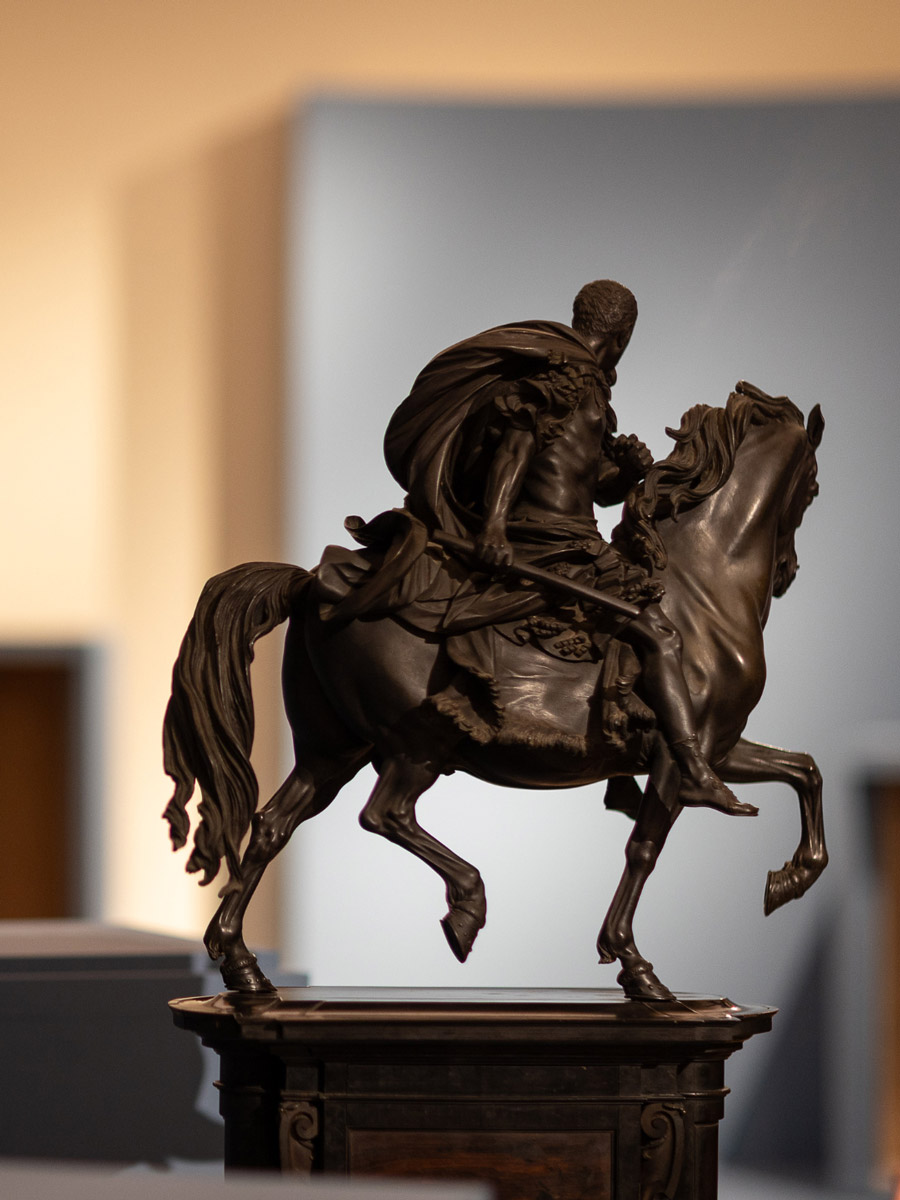
Bernini e i Barberini

The exhibition Bernini e i Barberini celebrates the partnership between Gian Lorenzo Bernini and Pope Urban VIII.
Through over 70 masterpieces, it recounts the rise of the total artist who, at the service of the Pontiff, transformed Rome into the theater of the Baroque.
The Exhibition

Explore the exhibition Bernini e i Barberini alongside curators Andrea Bacchi and Maurizia Cicconi.

1. «He claimed him all as his own»: Maffeo, the discoverer of Bernini

The young Gian Lorenzo Bernini trained in the workshop of his father, Pietro.

It was Maffeo Barberini who first intuited his genius. He encouraged the artist to emancipate himself from his father, recognizing in him a different, modern, and naturalist language. An intuition that marked the beginning of a relationship destined to change the history of art.

2. «Non plus ultra»: The New St. Peter’s

Bernini gave a new face to St. Peter’s Basilica.

Appointed architect of the Fabbrica in 1629, he pushed past the boundaries of traditional architecture. With works such as the Baldacchino, he fused sculpture and sacred space in a monumental dialogue with Michelangelo, dedicated to the glory of Urban VIII.

3. Bernini: Papal Portraitist Before Urban VIII

Bernini revolutionized the genre of portraiture even before Maffeo Barberini ascended to the papal throne.

Prior to Urban VIII, Bernini established himself as a papal and dynastic portraitist. From the busts of Paul V and Gregory XV to the gallery of the Barberini ancestors, marble portraiture moved beyond its funerary function to become a tool of celebration and power.

4. Palazzo Barberini: A Choral Masterpiece

Under Bernini’s direction, Palazzo Barberini became the symbol of the dynasty.

It served as a forge of talent where Bernini, Borromini, and Pietro da Cortona collaborated to make the Palace a unified and extraordinary work, where architecture dialogues with light as it enters through the loggias to mold spaces and surfaces.

5. Faces of Barberinian Rome

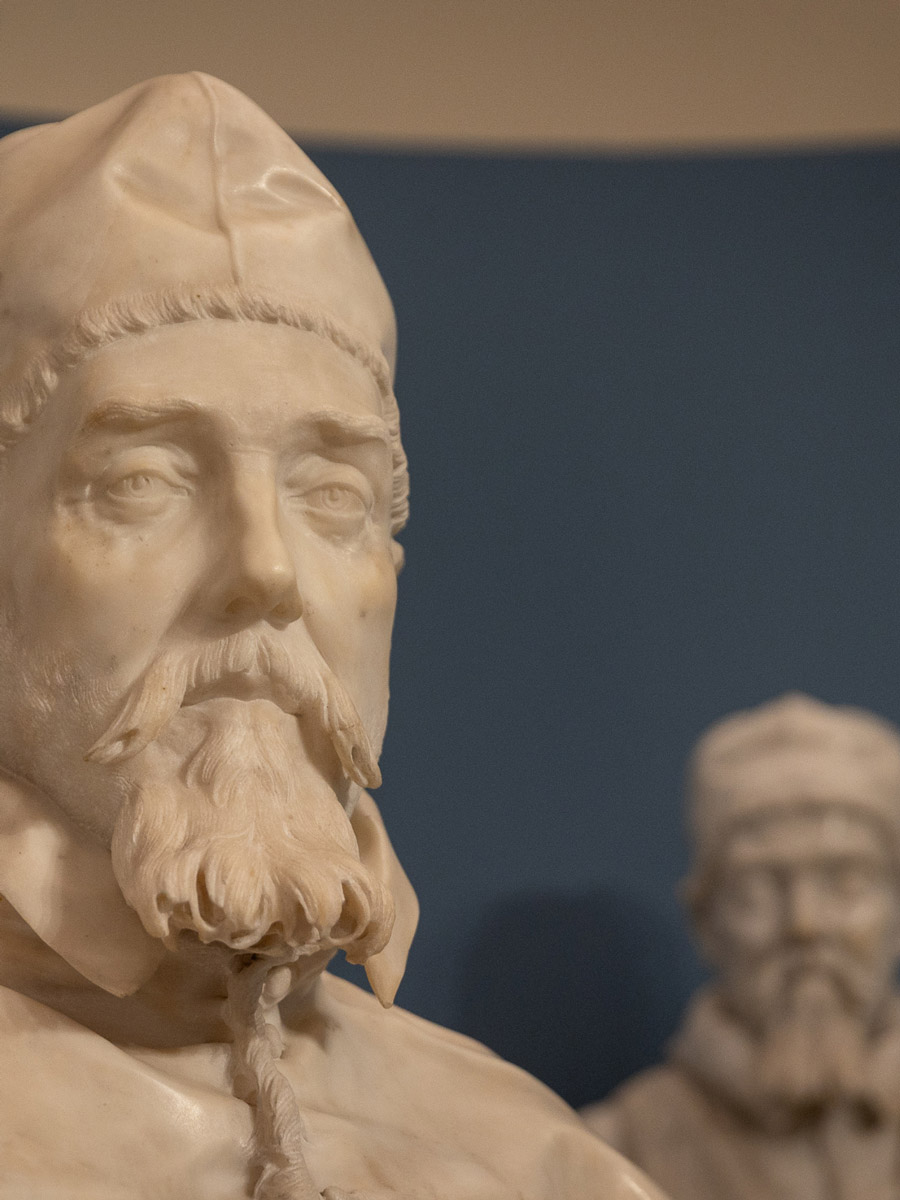
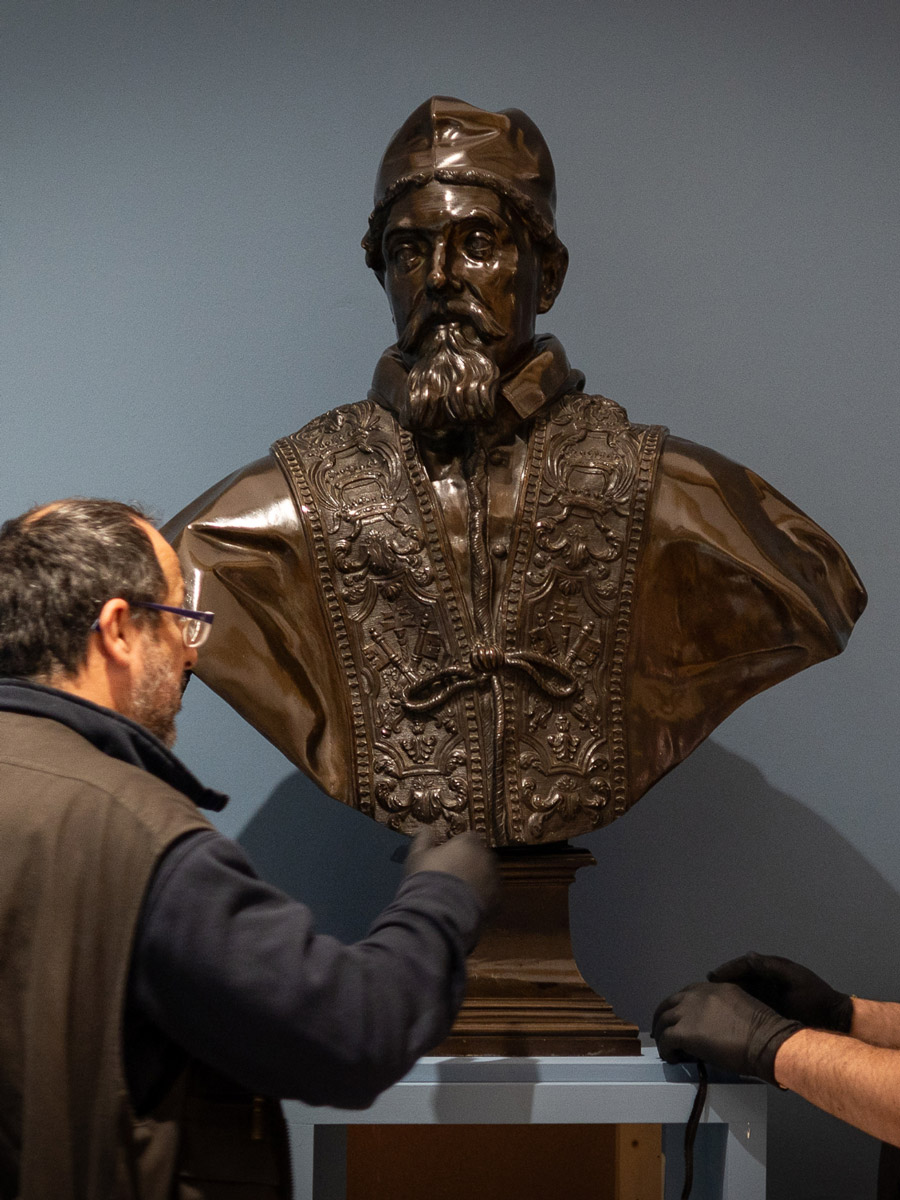
Look closely at the Barberini busts: they seem to breathe.

Bernini reinvented the portrait genre, making it “speaking”. By sculpting the busts of Urban VIII and the key figures of the Baroque era, he succeeded in capturing the soul of the subject, providing us with a living image.

6. Bernini’s Freedom, Urban VIII’s Power

A tragic love story in the life of the artist.

A violent private affair upended Gian Lorenzo Bernini’s life: his relationship with Costanza Bonarelli, a scandal that overwhelmed him. It was the Pope himself who intervened, granting him a pardon and saving the artist, thereby protecting his genius.